Commercial Asphalt Repair vs. Full Replacement: What to Know
Commercial asphalt repair helps restore and extend the lifespan of existing pavement, while local contractors can determine if repair or full replacement is needed.
If you're a property owner exploring options for maintaining or improving your commercial asphalt surfaces, you're in the right place. Understanding the differences between commercial asphalt repair and full replacement is essential for making informed decisions that fit your property's needs and budget. Many local contractors offer a range of services designed to extend the life of asphalt surfaces, helping to minimize disruptions and avoid unnecessary costs. Whether you're dealing with minor cracks or more extensive damage, knowing when repair is sufficient or when replacement might be necessary can save time and resources in the long run.
This discussion is especially relevant for property owners who want practical solutions to keep their asphalt in top condition. Local service providers are equipped to evaluate the current state of your pavement and recommend the most effective approach, whether that’s targeted repairs or a full replacement. As you continue reading, you'll find valuable insights into the factors that influence these choices, along with how local contractors can assist in achieving durable, cost-effective results for your commercial property.
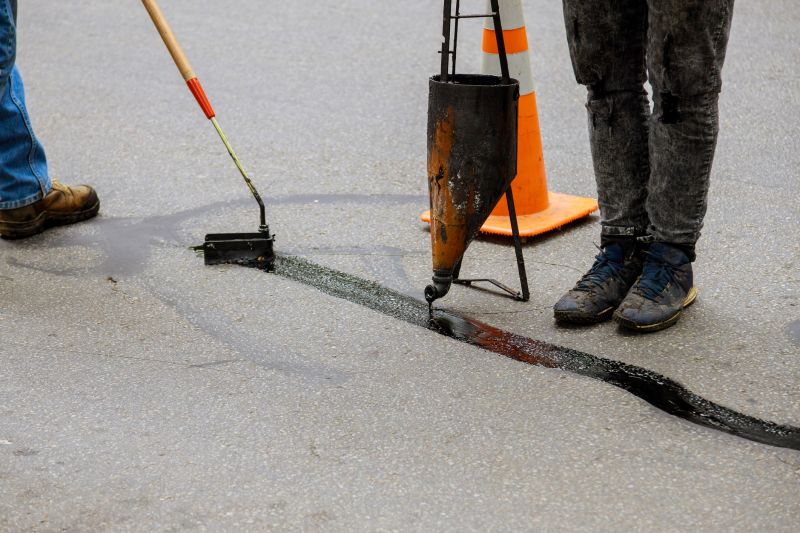
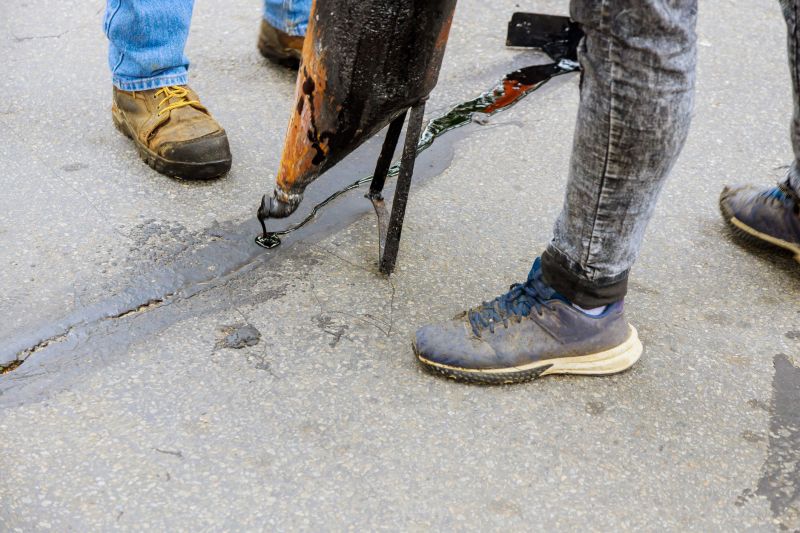
- Crack Repair - when surface cracks are minor and do not compromise the structural integrity, local contractors often recommend targeted repairs over full replacement.
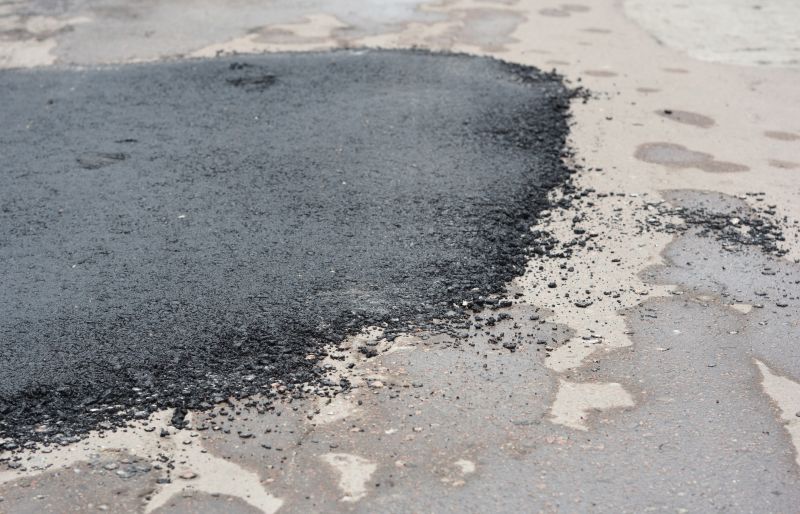
- Pothole Patching - for isolated potholes caused by weather or wear, service providers typically perform quick patching to restore usability without replacing the entire asphalt surface.
- Surface Resurfacing - when the existing asphalt is worn but still structurally sound, local pros may suggest overlay or resurfacing to extend the lifespan instead of full removal.
- Sealcoating - if the asphalt shows surface wear but remains stable, sealing can protect against further damage, avoiding the need for more extensive repairs or replacement.
- Edge Repairs - for localized deterioration along edges or curbs, local contractors often perform edge repairs that preserve the overall pavement while addressing specific issues.
When searching for information on commercial asphalt repair versus full replacement, most people are trying to understand which option is best suited for their property’s specific needs. This topic often comes up when property owners notice signs of deterioration, such as large cracks, potholes, or extensive surface damage. They may be planning to maintain or improve parking lots, driveways, or access roads for commercial buildings, retail centers, industrial facilities, or apartment complexes. The goal is to find a solution that restores the asphalt’s functionality and appearance without unnecessary work, helping property managers or business owners make informed decisions about ongoing maintenance or major repairs.
This comparison is closely related to a variety of problems and plans involving asphalt surfaces. For instance, a parking lot with widespread cracking or minor potholes might be a candidate for commercial asphalt repair, which involves targeted patching and sealing to extend its lifespan. Conversely, if the surface has severe damage, extensive cracking, or underlying issues that compromise stability, full replacement may be necessary. Property owners also consider whether they want to simply repair existing asphalt or completely replace it to achieve a fresh, durable surface that can better withstand future wear and tear. These decisions are often part of larger property improvement plans, such as upgrading parking facilities or preparing for new tenants.
The types of properties that typically come into focus for commercial asphalt repair and full replacement include retail centers, office complexes, industrial parks, and multi-unit residential communities. These properties usually have large paved areas that see frequent use and are exposed to the elements, making maintenance a regular concern. Parking lots with high traffic volumes tend to require ongoing repairs to prevent safety hazards and maintain curb appeal. In some cases, property owners may prefer to invest in full replacement if the existing asphalt has reached the end of its useful life or if a more extensive overhaul is needed to meet aesthetic or functional goals. Local service providers can assess the condition of these surfaces and recommend the most appropriate approach.
Understanding the differences between commercial asphalt repair and full replacement helps property owners determine the best course of action for their specific situation. Local contractors who specialize in asphalt work can provide expert evaluations and tailored solutions, whether it’s a quick repair to address surface issues or a complete overhaul to renew the property’s paved areas. Connecting with experienced service providers ensures that the chosen approach aligns with the property’s needs, budget, and long-term maintenance plans. This way, property owners can make informed decisions that support the safety, appearance, and functionality of their asphalt surfaces.
Pothole Repair - this project involves patching damaged asphalt surfaces, requiring similar planning and tools as commercial asphalt repair to restore pavement integrity.
Parking Lot Resurfacing - resurfacing projects involve surface preparation and application techniques comparable to asphalt repair and replacement decisions.
Driveway Restoration - restoring residential driveways shares techniques with commercial asphalt repair, focusing on surface leveling and sealing.
Asphalt Crack Sealing - sealing cracks is a preventative step that complements repair strategies and requires similar skill sets and equipment.
Industrial Pavement Maintenance - maintaining large industrial surfaces involves planning and repair methods akin to commercial asphalt repair versus full replacement.
Sealcoating Services - applying sealcoats to protect asphalt surfaces involves surface prep and application skills relevant to repair and replacement projects.
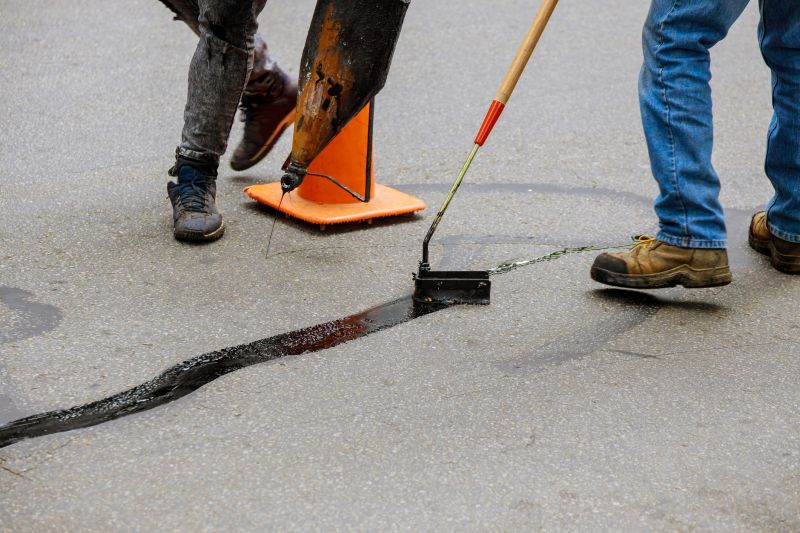
When evaluating commercial asphalt repair services, it’s important to consider the experience of local contractors with similar projects. An experienced service provider will have a history of handling repairs comparable in scope and complexity, which can help ensure the work is performed effectively and efficiently. Homeowners should inquire about the types of projects a contractor has completed and seek out those who have successfully addressed issues like cracks, potholes, or surface deterioration in commercial settings. This background can provide confidence that the contractor understands the specific demands of asphalt repair versus full replacement, and can recommend the most suitable solution based on the condition of the pavement.
Clear, written expectations are essential when comparing local service providers for commercial asphalt repair. A reputable contractor will be able to clearly outline the scope of work, including the specific repair techniques to be used, the materials involved, and the anticipated outcomes. Having detailed documentation helps prevent misunderstandings and ensures that both parties are aligned on project goals. Homeowners should ask for written proposals or estimates that specify what repairs will be performed and what the results will look like, which can be especially helpful when deciding between simple repairs and more extensive full replacement options.
Reputable references and good communication are key factors to consider when choosing local contractors for asphalt work. Service providers with a track record of satisfied clients and positive references can offer reassurance about their reliability and quality of work. Additionally, open and responsive communication throughout the process helps ensure that homeowners’ questions and concerns are addressed promptly, and that project updates are provided as needed. This level of transparency and professionalism can make a significant difference in the overall experience, especially when determining whether commercial asphalt repair services are appropriate or if full replacement might be necessary based on the pavement’s condition.
Property owners often search for commercial asphalt repair vs. full replacement: what to know when they are planning practical projects around their homes and businesses. Local pros provide Commercial Asphalt Repair services for everyday jobs and straightforward project options.
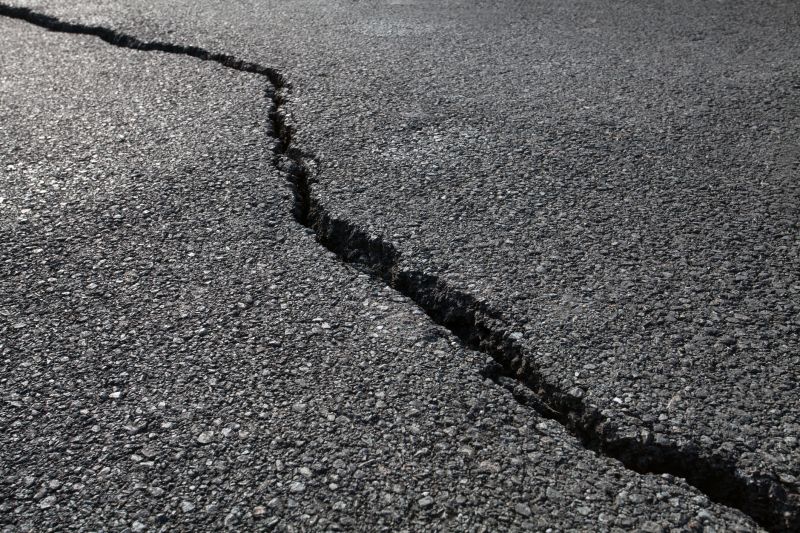
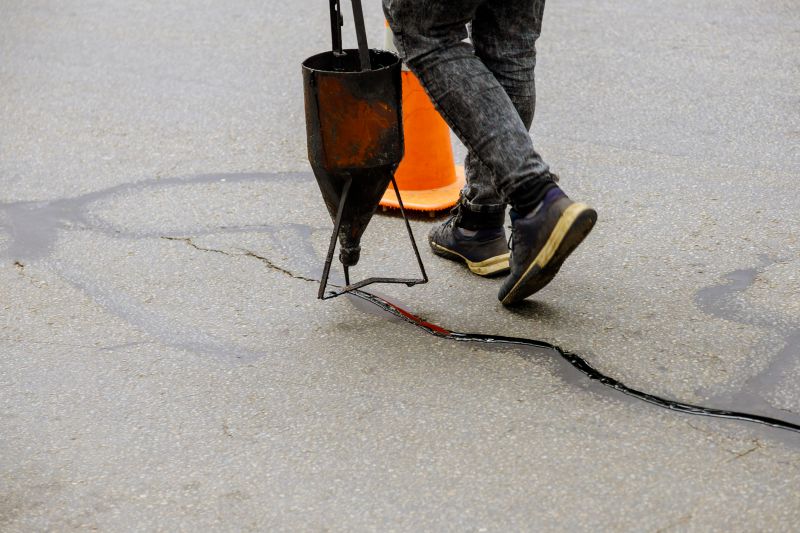
When property owners are faced with cracks, potholes, or surface deterioration on their commercial asphalt surfaces, understanding the difference between asphalt repair and full replacement becomes essential. In many everyday situations, local contractors offer commercial asphalt repair services that can address specific issues quickly and cost-effectively, helping to extend the lifespan of existing pavement without the need for complete removal and replacement. These repair options are often suitable for minor damage or areas that can be restored through patching, sealing, or crack filling, making them a practical choice for maintaining safety and appearance in commercial settings.
However, there are cases where full asphalt replacement might be necessary, especially when damage is extensive or structural integrity is compromised. For property owners considering repairs, consulting with local service providers can help determine whether a simple repair will suffice or if a full replacement is the better long-term solution. Local contractors can evaluate the condition of the pavement and recommend the most appropriate approach, ensuring that the project aligns with the property's needs and budget. This way, property owners can make informed decisions about their asphalt surfaces, choosing repair or replacement services that best suit their specific situation.
What is the main difference between commercial asphalt repair and full replacement? Commercial asphalt repair involves fixing specific areas of damage, such as cracks or potholes, to extend the pavement's lifespan. Full replacement replaces the entire asphalt surface when repairs are no longer effective or cost-efficient.
When should a property owner consider asphalt repair instead of full replacement? Repair is suitable for minor damages or early-stage issues, helping to preserve the existing pavement. Full replacement is typically recommended when damage is extensive, or repairs would be too frequent or costly.
Can commercial asphalt repair help prevent future pavement problems? Yes, timely repairs can address small issues before they worsen, reducing the likelihood of more serious damage and the need for full replacement in the future.
What types of repairs do local contractors typically perform? Local contractors commonly handle crack filling, pothole patching, surface sealing, and other localized fixes to improve pavement condition and durability.
How do local service providers determine whether repair or replacement is appropriate? They assess the extent of damage, pavement age, and overall condition to recommend the most effective solution-either targeted repairs or full replacement.
Assessing Damage - Property owners can evaluate the extent of asphalt damage to determine if repairs are sufficient or if full replacement is necessary, with guidance from local contractors.
Choosing Repair Options - Understanding when commercial asphalt repair services are appropriate helps property owners make informed decisions to fix specific issues like cracks or potholes.
Planning Long-Term Maintenance - Incorporating regular inspections and timely repairs can extend the lifespan of existing asphalt surfaces, reducing the need for full replacements.
Evaluating Cost-Effectiveness - Comparing repair versus replacement options with local service providers allows property owners to select the most practical approach for their project needs.
If you are thinking about commercial asphalt repair vs. full replacement: what to know for a property, this guide is meant to help you understand this topic, the typical project types, and how different options might fit your plans.
When you are ready, you can use the quote form on this page to share a few details about your project. From there, local pros can review the basics and follow up with options that match what you have in mind.